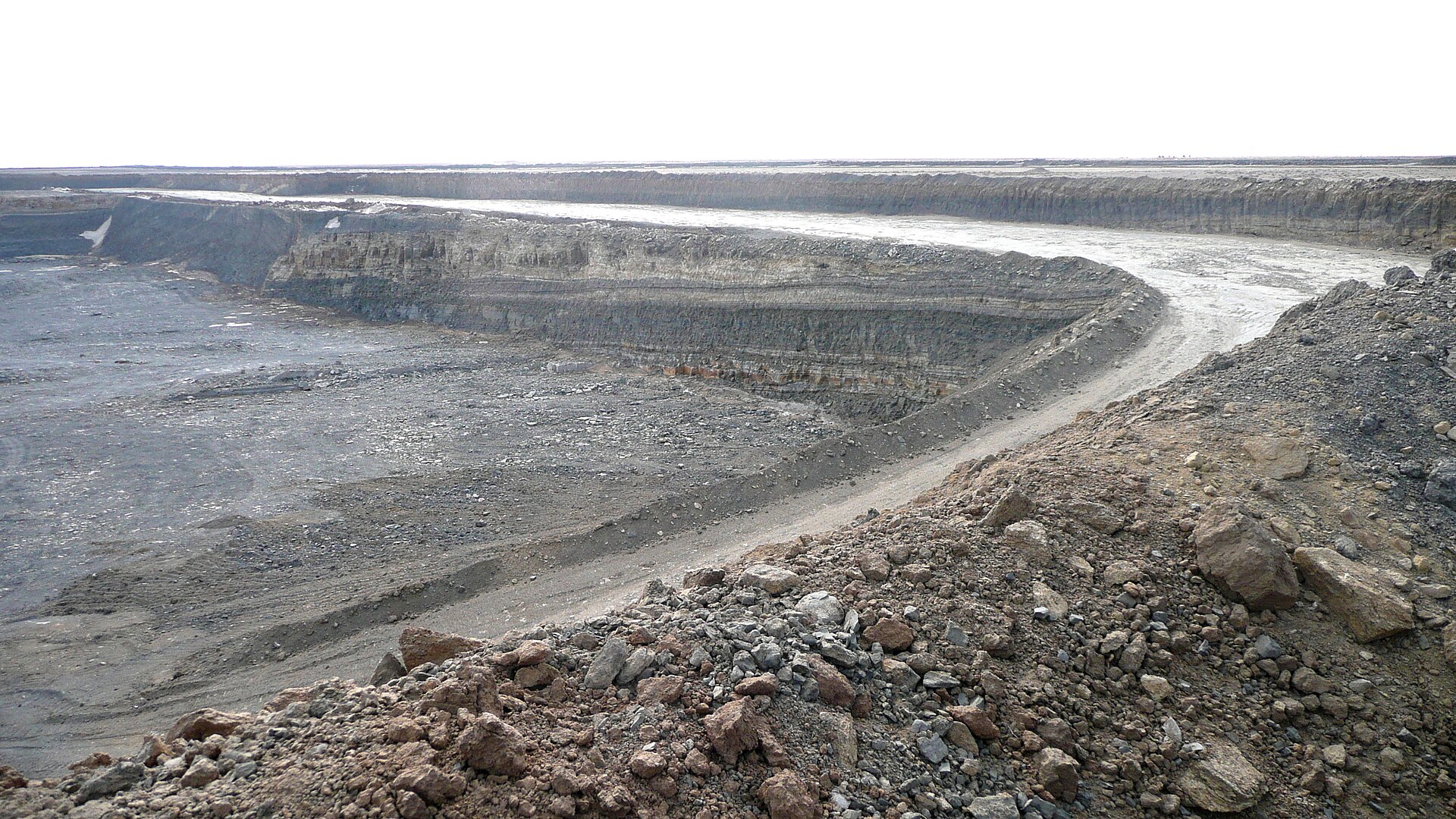
Mongolia has a small population and a large mining industry. Coal and copper make up most of what it sells abroad.
Much of the coal comes from the South Gobi. Tavan Tolgoi, which means "five hills", is one of the world's largest deposits of coking and thermal coal. About a quarter of its estimated 6.4 billion tonnes is high-quality coking coal, which steelmakers need.
Almost all of this coal goes south to China. For years it crossed the border in long lines of trucks. A railway to the Chinese border now carries part of it. Parliament chose the same track width as China's for this line, for an easy link to Chinese railways.
Relying on one buyer has a cost. When China closed its borders during the Covid-19 pandemic, exports fell and Mongolia's economy shrank in 2020.
Economists have long urged Mongolia to earn more from what it digs up, for example by processing more at home, and to save some of its mining income for leaner years.