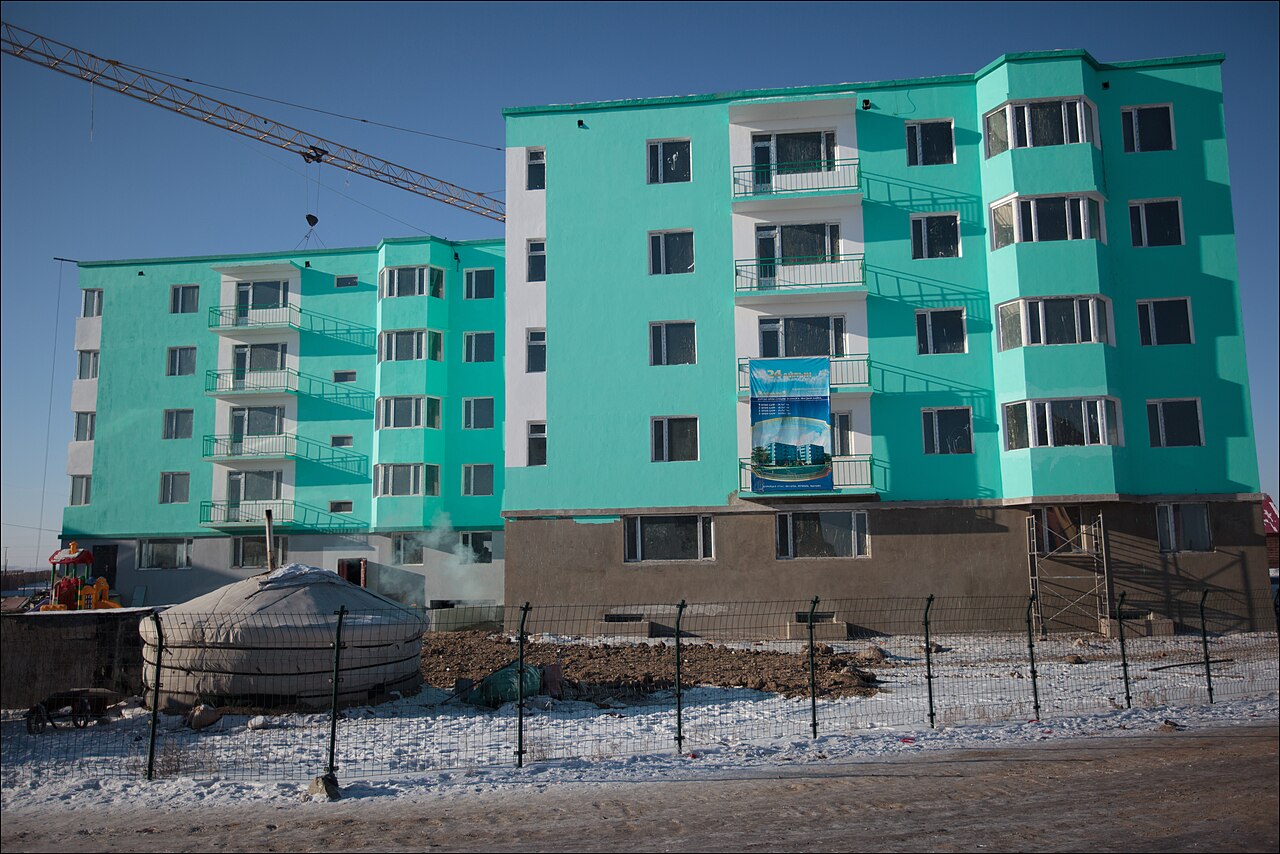
Mongolia's registration agency has begun collecting apartment reservation contracts in a searchable database so buyers can check unfinished projects, its chief said at a briefing on Nov. 24.
D. Davaanyam, head of the General Authority for State Registration, spoke at an "Open Ministry" briefing at the Ministry of Justice and Home Affairs.
The database holds 246 reservation contracts at 10 locations where the information is complete, Davaanyam said. Users can search by location, sub-district, land parcel number, building, project and company, he said.
The aim is to let buyers check reservation records and spot duplicate contracts before they commit to an unfinished home.
A section for unfinished buildings has been opened in the open-data part of the agency's e-burtgel.gov.mn portal, which is still being developed, he said.
The work follows government Resolution 406, which covers reservation contracts for apartment buildings.
A reservation contract is not registered ownership. Davaanyam said the agency has no legal basis to record claims tied to buildings put up without authorization, and that a related site, urban.gov.mn, is not yet finished.
He said the Property Rights Registration Law needs amending. Justice and Home Affairs Minister G. Temuulen told the same briefing that the amendment had been submitted to parliament and that its Legal Affairs Standing Committee would take it up that afternoon.
The state has begun disclosing the information it holds despite gaps in the law, Temuulen said.