Mongolian and Russian scientists have reached a preliminary conclusion that the Egiin Gol hydropower plant can be built and run without harming the environment, Mongolia's government said on Nov. 14. iKon.mn and MNB, the national broadcaster, reported the statement.
S. Demberel, president of the Mongolian Academy of Sciences, presented the results to Prime Minister N. Uchral. The academies of sciences of both countries studied possible effects on Lake Baikal and the Selenge River for two years and reached the conclusion "in principle," MNB reported.
The joint working group is due to present the preliminary finding formally to the Russian government on Nov. 19. Uchral told ministers to finalize the results with the Russian side, take them to the two countries' intergovernmental commission and prepare decisions for a cabinet meeting.
He said the aim is to balance energy production, sustainable use of water and protection of the environment, iKon.mn reported.
The study followed a memorandum on protecting Baikal and the Selenge that the two countries' environment ministers signed on Sept. 3, 2024, during the Russian president's official visit to Mongolia. In 2025 the working group had agreed to give its final conclusion in the first half of 2026, Montsame, the state news agency, reported.
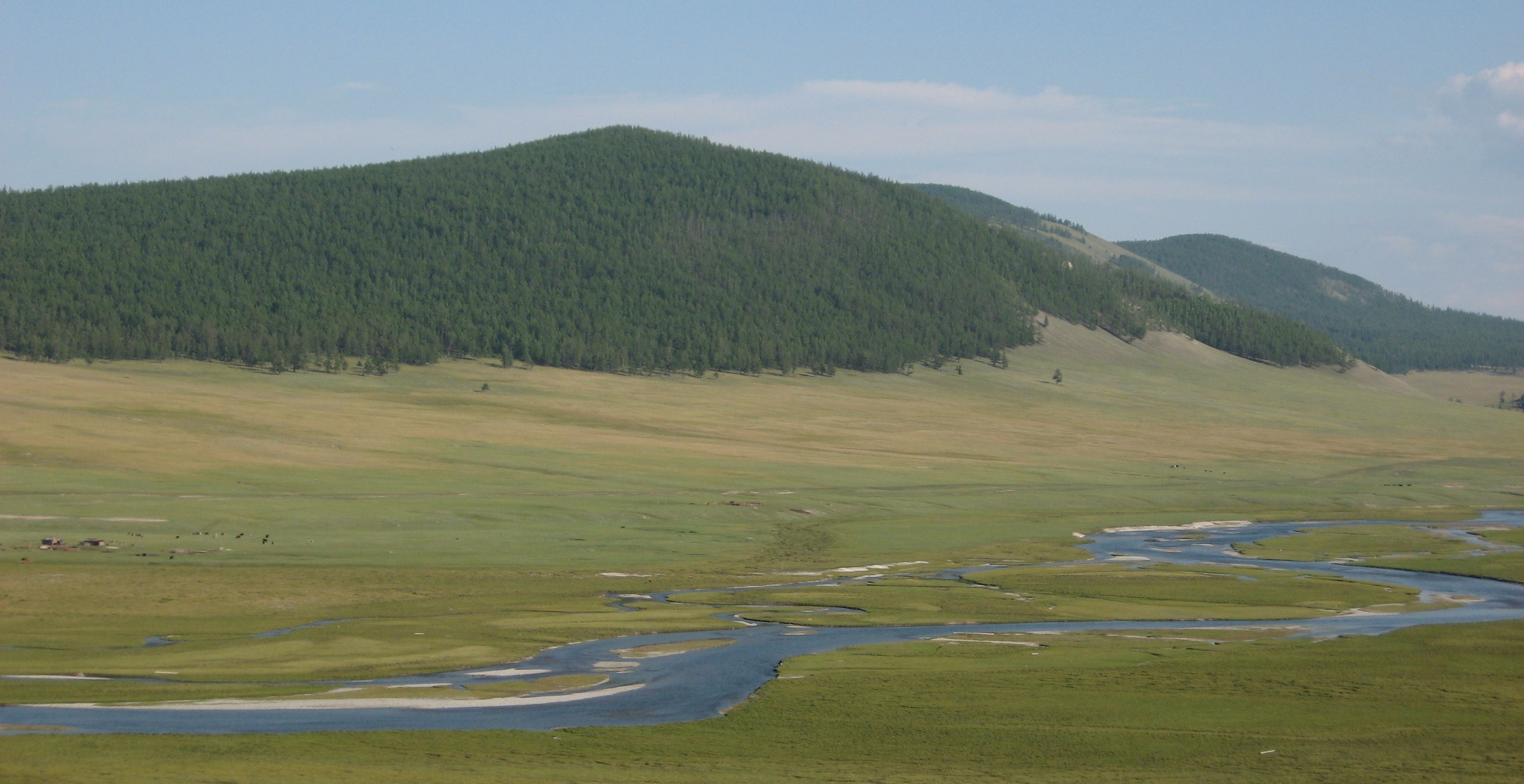
The plant is planned on the Eg River, a tributary of the Selenge, in the Khutag-Undur district of Bulgan province. The project was put on hold in 2016 over Russian concern that the dam could affect the water level of Lake Baikal, about 580 kilometers downstream, Global Construction Review reported then. The plan at that time was for a 315-megawatt plant costing about $830 million, part of a roughly $1 billion package that included a highway to Ulaanbaatar.
No Russian response to the finding had been reported by Nov. 15.