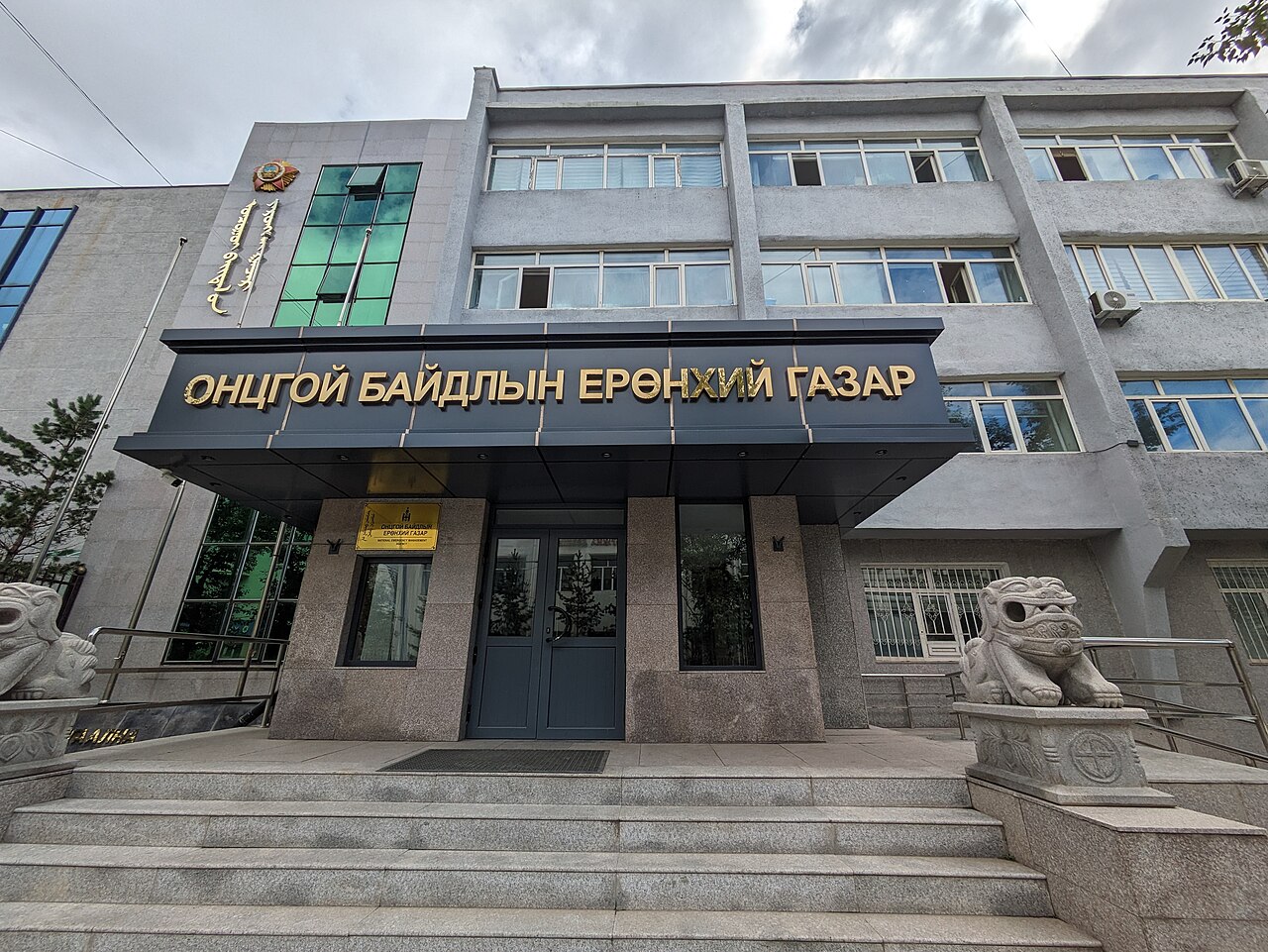
Mongolia's National Emergency Management Agency (NEMA) said on Nov. 24 it had brought in a system that monitors the risk of dzud in real time, and had started using it.
A dzud is a severe winter in which large numbers of livestock die from hunger and cold. Mongolia's herders keep their animals on open pasture all year.
The system uses remote sensing and geographic information systems to spot dzud risk early and track its effects across the country, the agency said.
It links data held by NEMA, the Ministry of Food, Agriculture and Light Industry, the National Statistics Office and the National Agency for Meteorology and Environmental Monitoring, the country's weather agency.
The assessments combine four factors: the hazard itself, exposure to it, vulnerability and the capacity to respond. Users can view them for the whole country, a region, an aimag (province) or a soum (rural district).
NEMA said the information can help identify vulnerable herder groups and livestock, support early action and guide how resources are shared out. It said the system is meant to support the state, the private sector and citizens.
The tool is part of an Integrated Disaster Management System that NEMA is building in stages and linking with other ministries' and agencies' systems.
It arrives as much of the country faces a hard winter. A general risk assessment reported by news website News.MN on Nov. 19 puts 290 of Mongolia's 330 soums at medium or higher risk of dzud this winter.
Col. D. Baasansuren, head of NEMA's risk management department, warned then that the "iron dzud" of 2023–24 could happen again. That winter, snow refroze into a crust of ice that animals could not graze through, he said.