Mongolian and Russian scientists handed the final environmental study of Mongolia's planned Egiin Gol hydropower plant to the Russian Academy of Sciences in Moscow on Nov. 19, Mongolia's environment ministry said.
The study, carried out over two years by teams from both countries' academies of sciences, assesses the project's impact on the ecosystems of the Selenge River and Lake Baikal.
The Mongolian Academy of Sciences said the scientists concluded the project could be implemented. Russian officials have not publicly confirmed that conclusion.
Mongolia's Ministry of Environment and Climate Change said the step creates favorable conditions to begin a project the country's energy sector has awaited for decades.
The results and recommendations are to go before the two countries' intergovernmental commission in December, the ministry said.
Academy president S. Demberel led a Mongolian delegation of 10 scientists and experts to the meeting at the Russian academy's headquarters. Members of parliament S. Odontuya, whom the ministry describes as the project's initiator, and D. Regdel, an academician, also attended, as did Mongolia's ambassador to Russia, D. Davaa.
On the Russian side, 20 scientists and experts took part, headed by Natural Resources and Environment Minister A. A. Kozlov, Russian academy president G. Ya. Krasnikov and academician I. V. Bychkov.
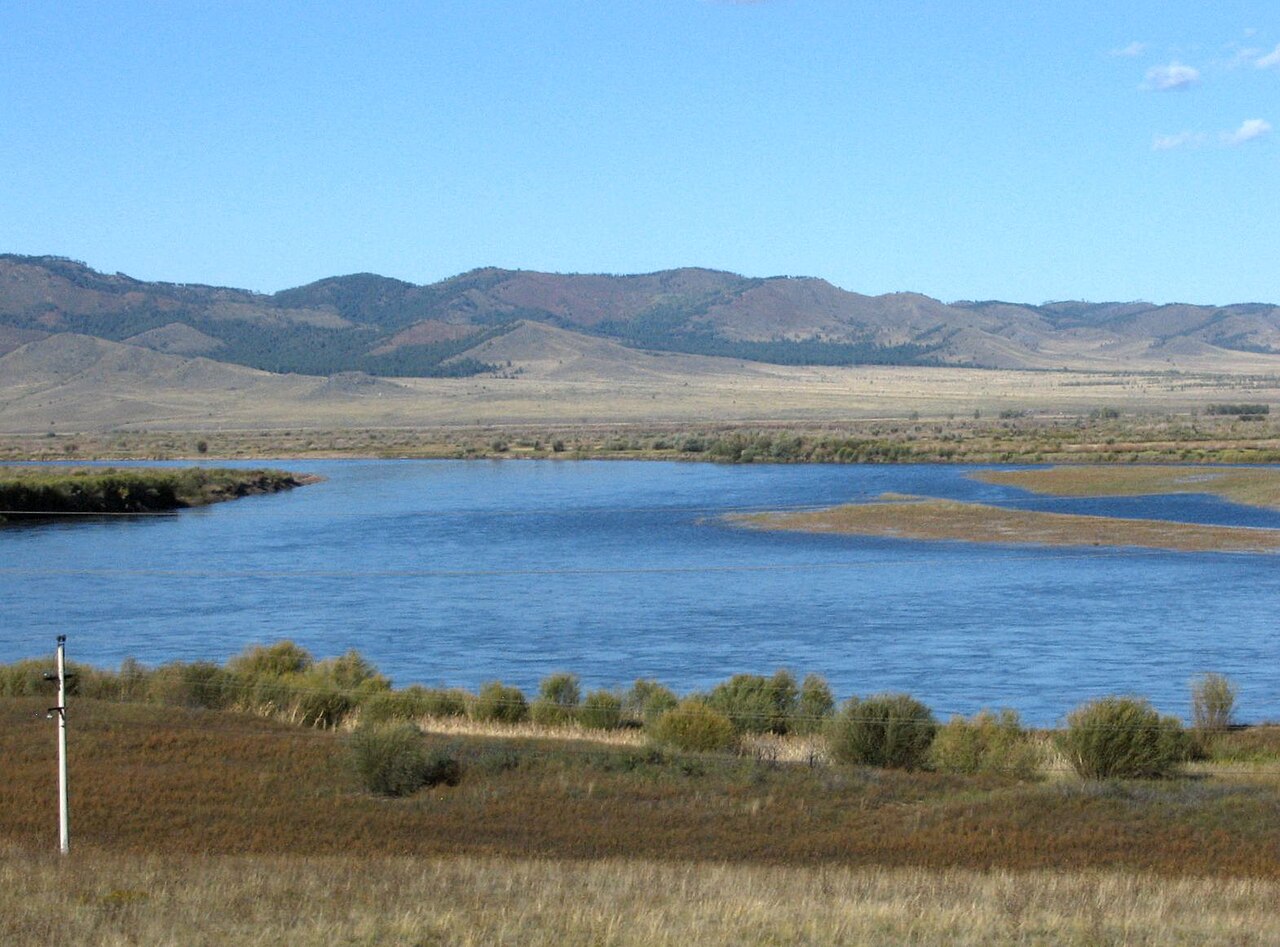
The Egiin Gol is the only river flowing out of Lake Khövsgöl in northern Mongolia and a tributary of the Selenge. The Selenge is the main river feeding Lake Baikal in Russia, a UNESCO World Heritage site whose conservation reports have raised the Egiin Gol project before.