On 10 December 1989, International Human Rights Day, young activists held the first open pro-democracy rally in Ulaanbaatar. There they announced a new group, the Mongolian Democratic Union.
Over the winter, the protests grew. Activists organised rallies, strikes and hunger strikes. They asked for free elections and for the ruling party's leaders to step down.
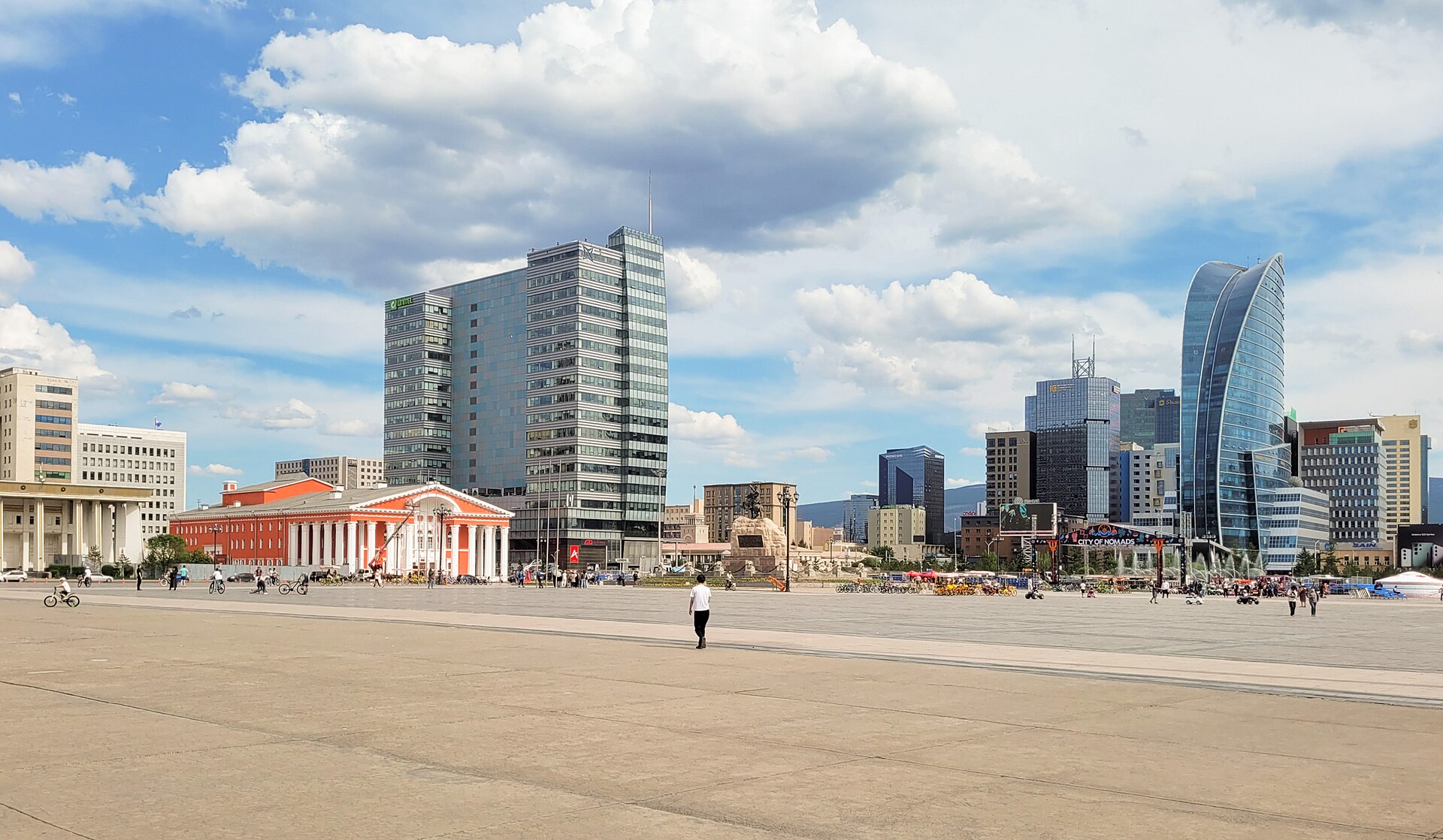
On 7 March 1990, ten members of the Democratic Union began a hunger strike on Sükhbaatar Square. Thousands of people gathered to support them.
Two days later, on 9 March, the whole Politburo of the ruling Mongolian People's Revolutionary Party resigned. The protests had won without violence.
On 29 July 1990, Mongolia held its first free, multi-party elections. A new constitution followed in 1992. It created today's parliament, the State Great Khural, and the right of every citizen to choose their government.
Many Mongolians remember the movement as the moment their country chose its own path, after nearly 70 years of one-party rule.