On the night of Nov. 11 to 12, 114 households in Ulaanbaatar's ger districts called about carbon monoxide building up in their homes, iKon.mn reported.
The figure came from the city's Fuel Consumer Service Center, a city-owned enterprise that works to prevent carbon monoxide poisoning. It said it kept 342 people from harm that night.
Calls came from 81 households the night before, and the number is rising, the center said.
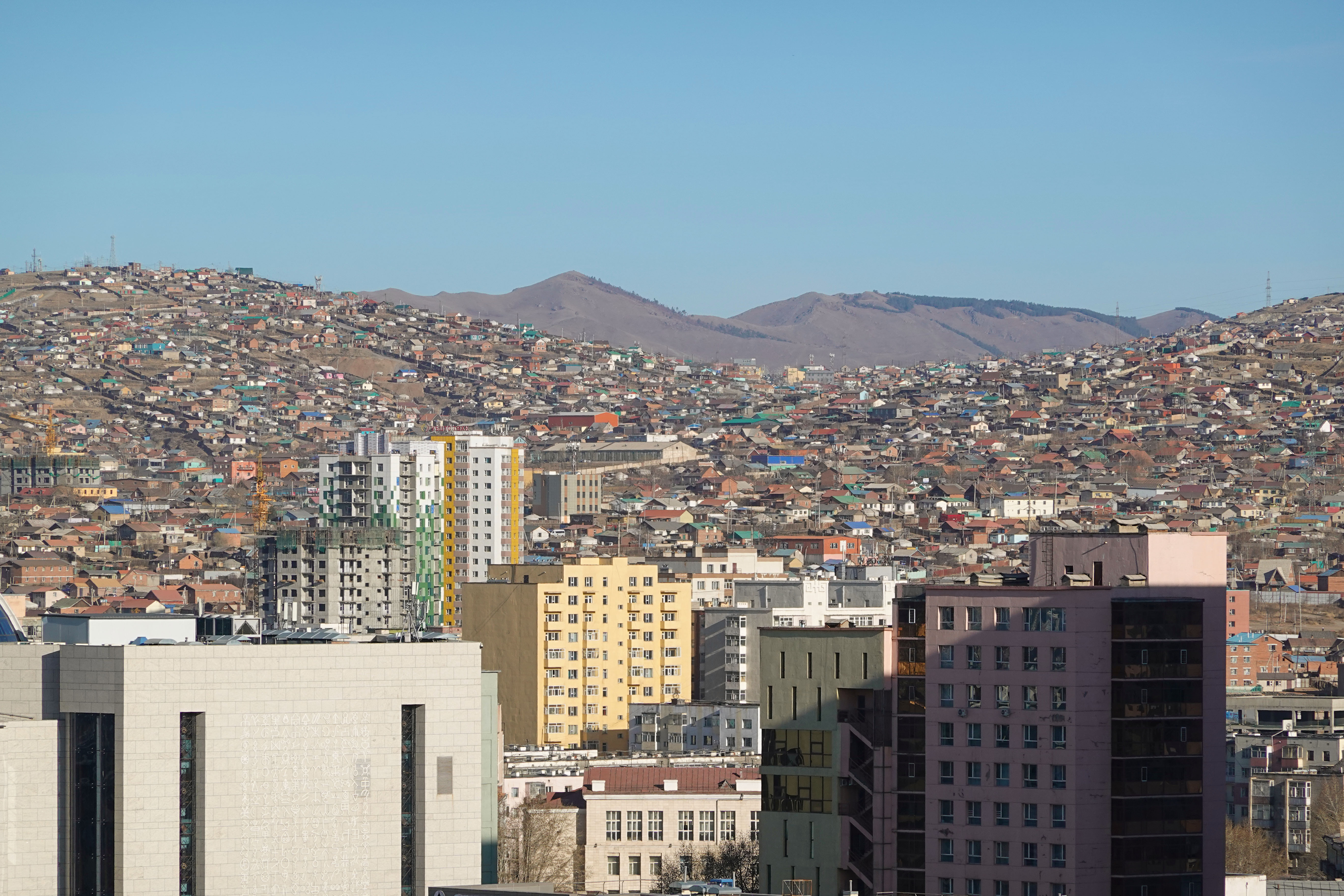
Ger districts are neighborhoods of gers, the traditional felt tents, and small houses on the edges of the capital. Households there heat their homes with stoves.
The center urged residents to keep carbon monoxide sensors and phones on, check that stoves are sealed before lighting them and leave chimney dampers open.
On Nov. 12, B. Gan-Ochir, head of the Democratic Party's Ulaanbaatar branch, spoke at a party news conference.
"If one more citizen dies of carbon monoxide poisoning this year, Mayor B. Purevdagva should bear the responsibility. He should resign," Gan-Ochir said, according to News.MN. iKon.mn reported the same demand.
Gan-Ochir said more than 900 Ulaanbaatar residents had died of carbon monoxide poisoning from so-called improved coal briquettes since 2019. He reached that total by adding more than 110 deaths last year to a figure of 779 given at a 2024 hearing on air pollution, News.MN reported.
The National Center for Public Health has reported far fewer deaths: 30 from carbon monoxide poisoning in 2025 and 53 in 2024, its director said in February, iKon.mn reported.
Purevdagva has been the capital's governor and mayor of Ulaanbaatar since May. On Nov. 7, he was also elected chair of the Mongolian People's Party's Ulaanbaatar committee, the national news agency Montsame reported.
Neither iKon.mn nor News.MN carried a response from him.
Ulaanbaatar banned household use of raw coal in six of its nine districts in May 2019, replacing it with refined coal briquettes.
A study in the Bulletin of the World Health Organization counted 33 carbon monoxide deaths in those districts in the two years before the ban. It counted 91 in the three years after.
The center takes carbon monoxide calls on 7011 9410. People with symptoms such as headache, ringing in the ears, nausea or fainting should call the emergency number, 103, it said.